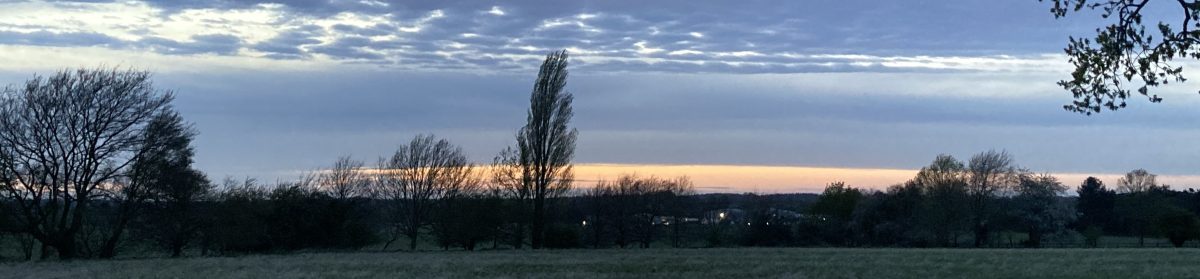
Noctilucent clouds are a rare type of cloud that comprise ice crystals so high up in the atmosphere that they reflect sunlight to the surface of the Earth long after sunset. It seems that noctilucent-like clouds are sometimes observed a few days after space shuttle launches – the shuttle launch creates eddies that carry water into the thermosphere (90-500km altitude). Similar clouds were also recorded as being observed in the days following the Tunguska blast (in Siberia) in 1908. The similarity between the two sets of observations has led to a suggestion that the Tunguska blast was caused by a wet, icy comet crashing to Earth rather than a dry, stone asteroid as had previously been thought. The story is described in New Scientist, Issue 2715 [04 July 2009]
 Tim O'Hare
Now scientists have had a go at creating noctilucent clouds, the idea being to test whether radar measurements that are currently used to study their birth are being correctly intepreted. New Scientist, Issue 2727 [26 September 2009] carries a short news item on this experimental cloud creation and there is a bit more information on the New Scientist website [21 September 2009]